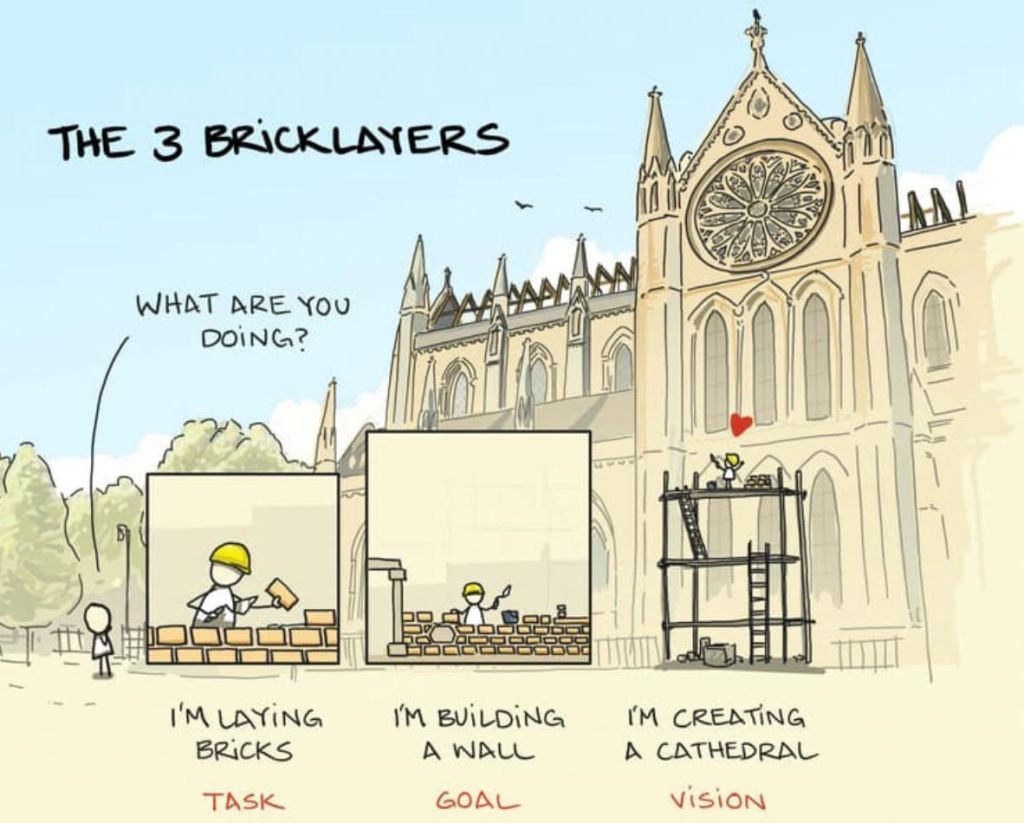
Maya’s neighbors thought she was crazy, spending her evenings on the rooftop with buckets of luminescent paint. Each night, she would carefully dab tiny dots of glowing pigment across the massive black solar panels that covered her building’s roof.
“What are you doing?” they’d ask, watching her meticulously place each dot, sometimes barely larger than a pinhead.
“Painting the night sky,” she’d reply with a serene smile, never pausing in her work.
They’d shake their heads. Some muttered about wasted time and ruined solar panels. Others pointed out that she could be doing overtime at her day job or at least getting proper sleep.
But Maya continued night after night, dot after careful dot. When asked about her progress, she’d simply point to her detailed sketches – maps of constellations, star charts, and calculations of viewing angles.
Six months passed. Then, on the summer solstice, Maya invited everyone in the building to the street below at sunset. As darkness fell, confused residents gathered, wondering what could be worth leaving their evening routines.
The last rays of sunlight disappeared behind the horizon. And then, as their eyes adjusted to the darkness, gasps of wonder rippled through the crowd.
Above them, on the black canvas of solar panels, thousands of luminescent dots blazed to life. But these weren’t random spots – they were a perfect mirror of the night sky, each constellation precisely positioned. The light pollution of the city had long ago hidden the real stars from view, but Maya had brought them back.
The building became famous. People would travel from across the city just to stand in the street at night and remember what the sky was supposed to look like. Children learned astronomy by matching Maya’s panels to their star charts. The city’s astronomical society began holding their meetings there.
Years later, when asked about how she had persevered through all those nights of painstaking work, Maya would smile and say, “I was never just putting dots on panels. I was bringing back the stars.”
In a dim-lit chamber of a museum that no longer exists, in a city whose name has been rewritten, hangs a curious photograph. When they still worked there, the docents would hurry past it, averting their eyes. Some claimed their shoes would inexplicably fill with sand whenever they lingered too long before it, while others reported hearing distant echoes of breaking marble.
The photograph shows two men seated in oversized chairs; their faces frozen in smiles from muscles trained in deception rather than joy. The chairs, grotesquely ornate, seem to consume their occupants like wooden predators digesting prey. Every year, the chairs in the photograph appear to grow larger, while the men shrink imperceptibly, though no curator has ever dared to measure.
One ruled from a palace in Damascus, where ancient stones whispered warnings he refused to hear, where Roman ghosts walked corridors laughing at his temporary reign. The other commanded from Dhaka, where Bengal tigers once roamed and where his father’s legacy cast shadows longer than minarets, shadows that eventually grew teeth and turned to bite the hand that claimed them.
Both men had inherited their kingdoms like badly fitted suits, wearing power as though it were a birthright rather than a loan from time. They collected titles like children collect seashells, not realizing that each new honorific added weight to the anchors around their necks. Their bureaucrats invented ever more elaborate forms of address – Supreme Leader, Father of the Nation, Guardian of the Sacred Places, Protector of the People’s Dreams – until the very air in their presence grew thick with syllables of self-importance.
In the photograph, they are signing some treaty or accord – the exact nature of which is now as irrelevant as last week’s weather forecast. Their pens hover over papers that would soon turn to dust, their signatures ensuring promises that would outlive neither of them. Behind them stand rows of ministers and advisors, each face bearing the carefully blank expression of men who have mastered the art of agreeing with their own erasure.
What makes the photograph peculiar is not what it shows but what happened to it. As their regimes crumbled – one in the heat of August, the other in December’s chill – the photograph began to fade, not from the edges inward as old photographs do, but from the men themselves. First, their eyes grew hollow, then their features blurred, until all that remained were two empty chairs and hovering pens, signing nothingness into oblivion. The ministers behind them faded too, row by row like a theater being emptied after the final act of a very long, very tedious play.
The museum’s final curator, before fleeing with the rest, swore the photograph would sometimes whisper at night, in a voice like wind through ruins: “Look on my Works, ye Mighty, and despair!” Some nights, the whispers would grow into conversations, as though the photograph was arguing with itself about the nature of permanence.
In the weeks before the museum’s abandonment, visitors reported strange phenomena. The photograph seemed to weep on Tuesdays, though the tears turned to dust before reaching the floor. On Fridays, it would emit a sound like distant laughter, though whether of joy or madness none could say. Children claimed they could see butterflies emerging from the fading ink of the unsigned treaties.
But the story doesn’t end there, for where their images faded, something else began to appear. First came the ghostly outlines of demolished statues, then the shadows of toppled monuments. But these too faded, making way for something far more substantial: Children playing in streets once blocked by tanks. Women spoke in voices that had been silenced for generations. Men embracing neighbors they’d been taught to fear. The photograph, like history itself, was being rewritten.
The transformation continued, defying all known laws of photography and physics. The ornate chairs crumbled into garden soil. The unsigned treaties bloomed into flowers. The blank walls behind became windows opening onto possibilities that had always existed but had never been permitted to be seen.
Now, in place of two tyrants’ frozen smiles, there blooms a garden of faces – countless, ordinary, extraordinary faces of people who had always been there, waiting in the shadows of statues that thought themselves eternal. Their images grow clearer with each passing day, as though the photograph is learning to tell a different kind of truth. Each face bears a story that was always worth telling but had been deemed too simple for official histories: a grandmother’s recipe for courage, a student’s theorem proving the mathematics of hope, a farmer’s almanac predicting seasons of change.
And if you listen carefully, in the quiet hours when museums dream, you might hear a new whisper, carried on the same wind that once spoke of despair: “Look on our works, ye mighty, and hope.” The whisper grows stronger with each passing day, as though the very air is remembering how to carry voices that speak without permission or fear.
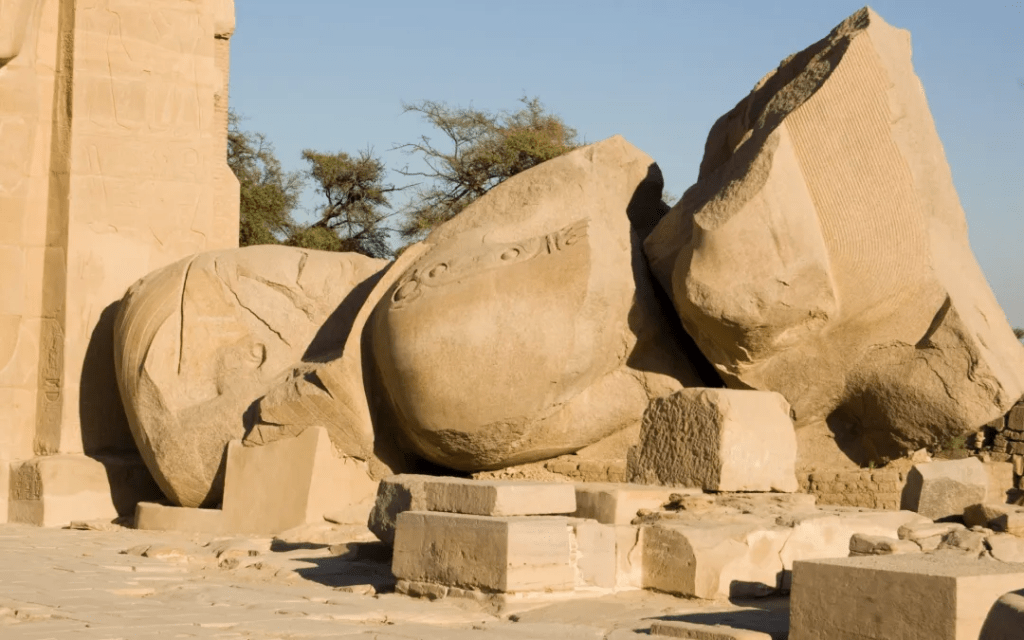
For in the end, it is not in marble halls or gilded thrones, or some gladiator stadium, that power truly resides, but in the persistent, defiant bloom of human dignity – the one force that no dynasty, no matter how fearsome, has ever managed to outlast. The photograph hangs there still, in a museum that no longer exists, telling its endless story to anyone who dares to look long enough to see themselves reflected in its changing surface.
And sometimes, on very quiet mornings, visitors swear they can hear the sound of distant wings, as though all the butterflies of history are taking flight at once.

 Unbigotry